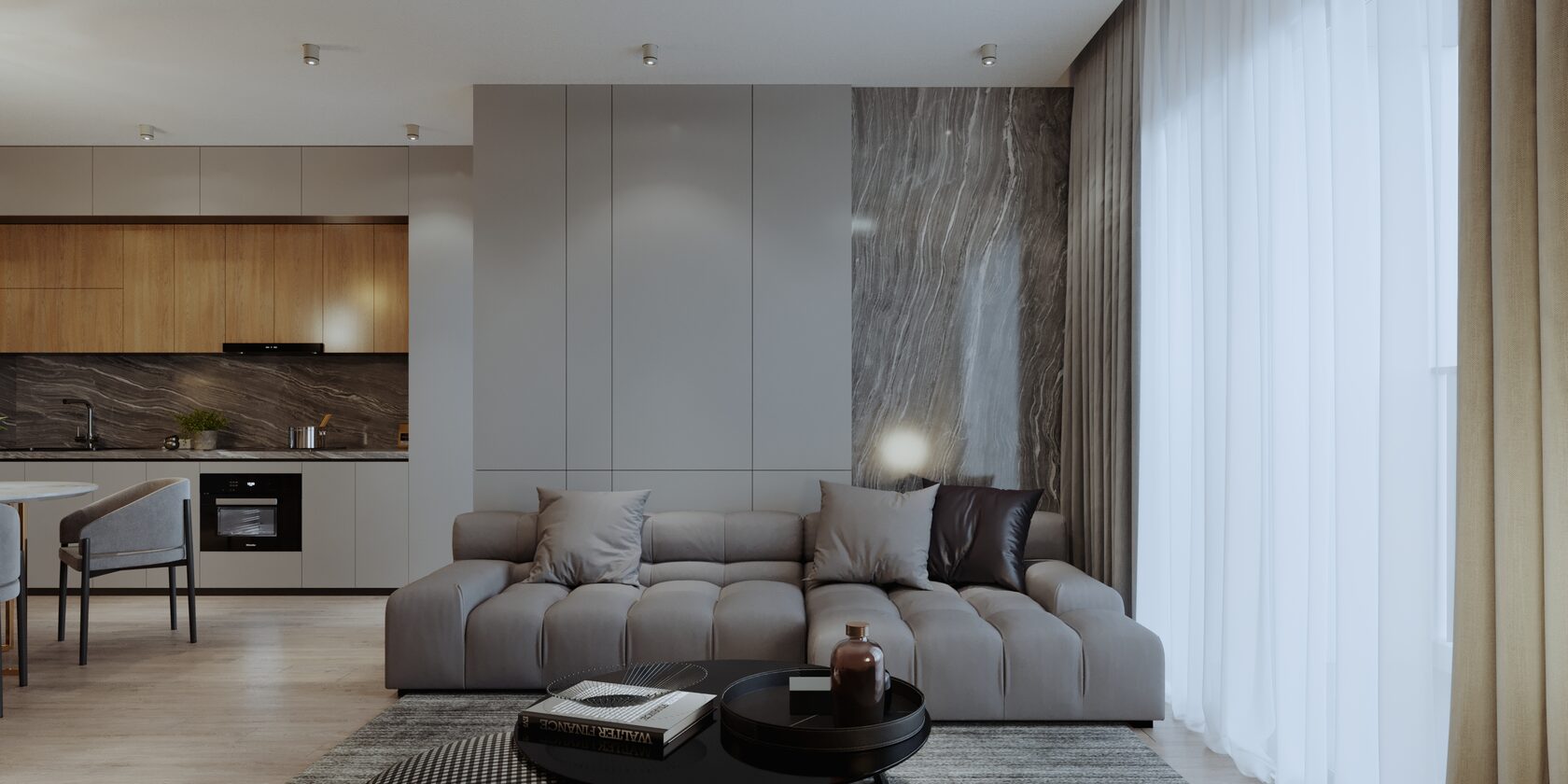
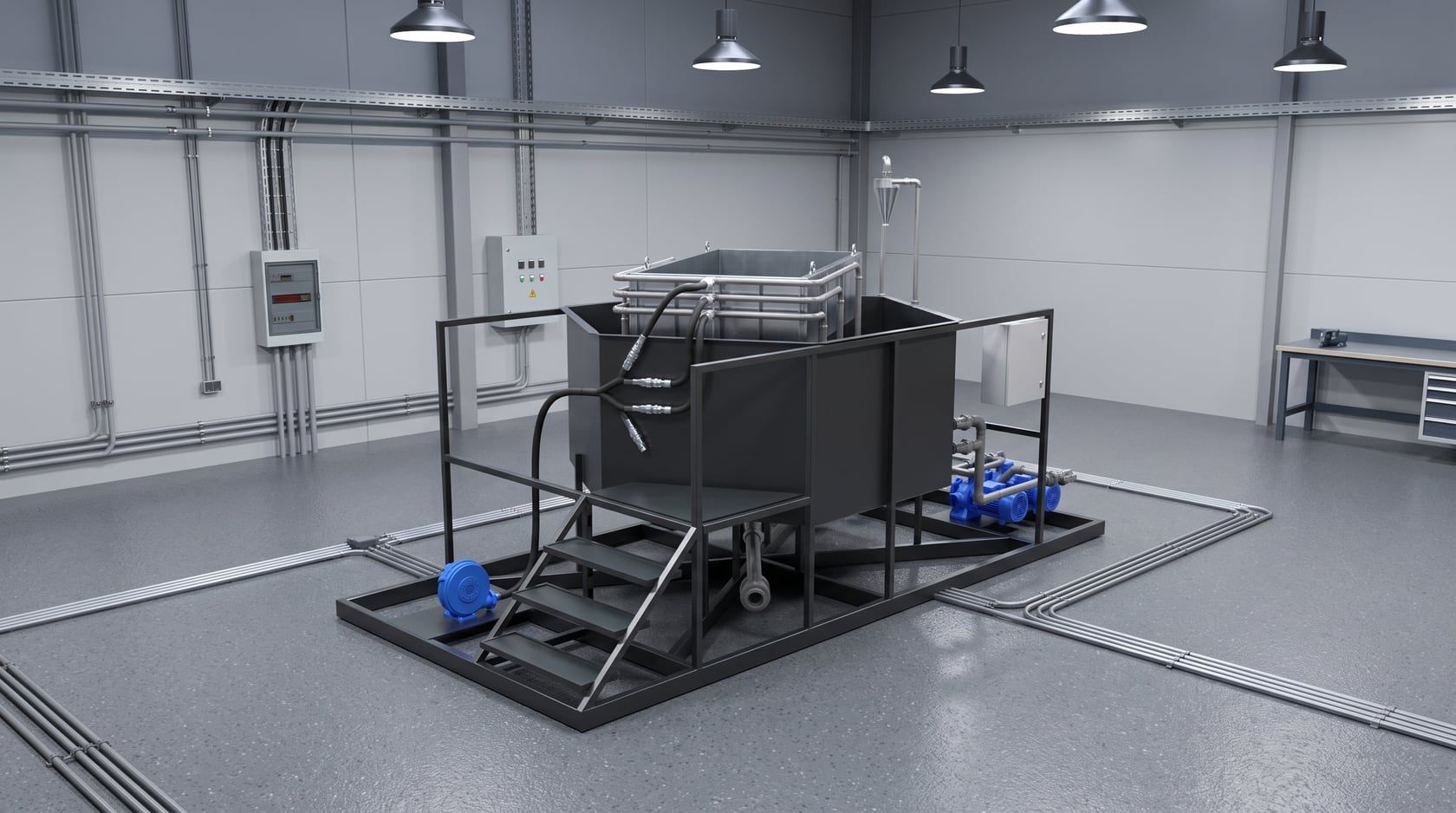
"Why not just photograph it?" is a fair question. Sometimes a photo shoot really is simpler. Here's how to tell where 3D pays off and where it doesn't.
What wins when
3D wins:
- No product yet — only drawings or CAD. The render is ready before the first batch.
- Many colors, fabrics, configurations. One model; the variant is switched with the material.
- A series. The same light, background and angles for every item, and a new item lines up without a reshoot.
- The inside on show. Exploded views and cutaways a camera can't capture — more in Exploded view.
- Large or awkward equipment — a machine, a boiler, a production line that won't fit in a studio.
Photos are better:
- People, emotion, a live setting — a lifestyle shoot with models.
- One or two shots, the sample at hand, and no variants coming.
- "Living" materials — food, cosmetics on skin: a photo is usually more honest and simpler.
One doesn't rule out the other: the catalog is often rendered, and lifestyle is shot on camera.
One color or six
A photo shoot needs a separate sample and a separate shoot for every color. In 3D it's one model: the color is changed with the material, and all variants come out with the same light and angle.
How the amount of work grows
The main work in 3D is the model itself. After that, each new angle, color or configuration is a relatively small revision. With photos, each new shot is almost as much work as the first. Where the lines cross depends on the product: the more variants and the longer the catalog lives, the more likely 3D comes out ahead.
Can buyers tell a render from a photo?
With well-tuned materials and lighting, a catalog render on a neutral background looks like a studio photo. What matters more is that the render matches the product the buyer receives. How to get there is covered in How to specify color and material.
What it looks like in practice
- Kiparis: more than 100 furniture models, some in 6–8 upholstery variants. A new item joins the catalog without a reshoot.
- KERMI: 15 radiator models in RAL colors and in white — more than fifty catalog renders.
- Nitrogen: large installations that won't fit in a photo studio — renders on a transparent background for the catalog and the website.
Common mistakes
- Comparing one render with one photo: 3D pays off on variants and series.
- Expecting a live scene with people from a catalog render.
- Ordering a render without color samples and getting a different shade.
Checklist
- Does the product physically exist?
- How many colors and configurations — now and later?
- Is this a series that will keep growing?
- Do you need to show how it's built?
- Do you need people and a live setting — that's a job for a photographer.